


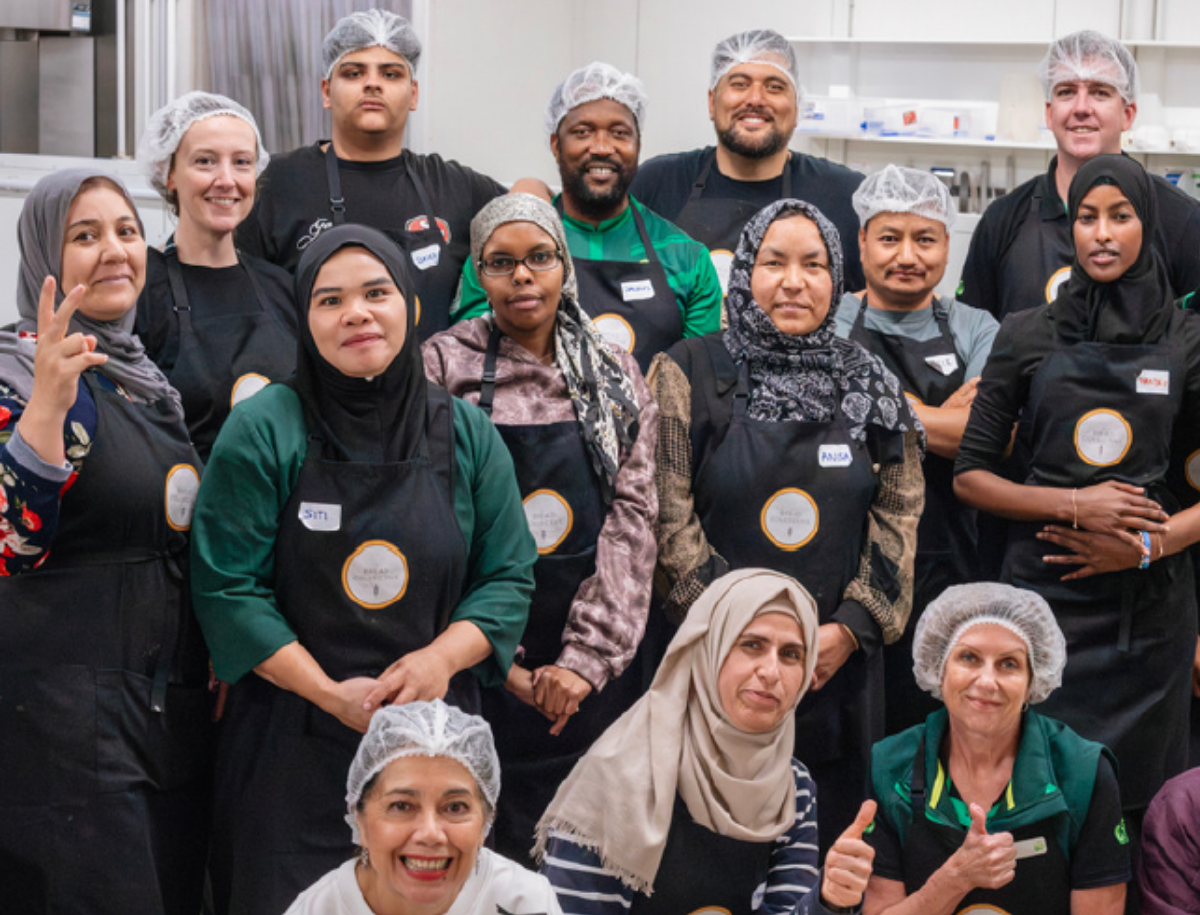
For someone arriving in Aotearoa as a former refugee, finding work can mean more than earning an income. Work can provide routine, independence, purpose, friendships and a sense of belonging. This understanding sits at the heart of the Bread Collective, an initiative using baking as a practical and mana-enhancing way to support former refugees as they build the skills, confidence and connections needed to find meaningful work in Aotearoa.
“Work is a big component of how we can look after ourselves. Work is a key part of our lives.”
The Bread Collective takes a holistic approach to employment, recognising that getting someone into a job is only one part of the journey. Its six-week programme runs three times a year, with small cohorts of around 10 participants allowing the team to provide personalised support including baking training, pastoral care, language support, employment preparation and advocacy.
Since the programme began, 79 participants have completed the programme, with 12 out of the 21 participants in the most recent two cohorts moving into employment. Across the programme’s cohorts to date, the overall employment placement rate is 49% - a significant achievement in a year when rising unemployment has made competition for entry-level roles increasingly challenging.
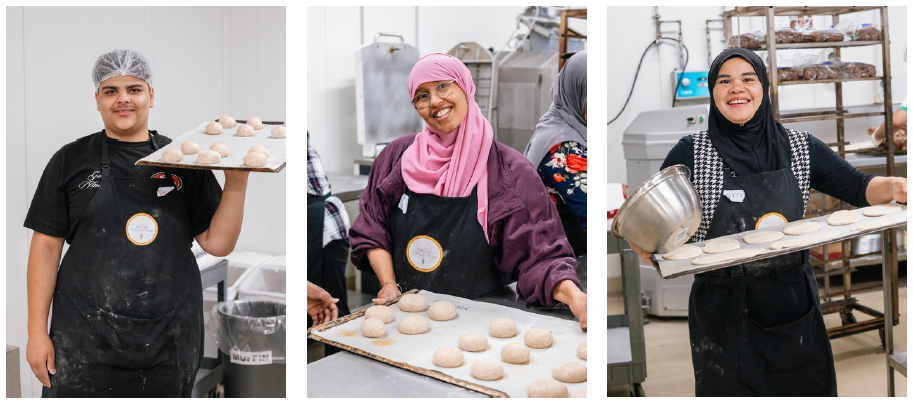
Each week, participants learn from a different baker or employer, gaining practical experience while being introduced to a range of workplace environments and expectations. They learn the fundamentals of breadmaking – from kneading and proofing to using ovens and equipment – while developing the routines and confidence needed to enter employment.
The programme deliberately brings employers into the classroom. Rather than meeting potential employees for the first time in a formal interview, employers spend time baking alongside participants, using recipes, demonstrating techniques and working towards a common goal.
For the Bread Collective, this is an important part of challenging assumptions and normalising difference.
“Show employers that people can look and sound different, but you’re working together despite your differences, you’re achieving together. And what people realise is that we have far more in common than what sets us apart.”
Participants and employers work alongside one another, learning from each other and discovering that while their backgrounds may be different, they can collaborate, solve problems and create something together.
The programme also gives participants time to build familiarity with the practical realities of life and work in Aotearoa. For many, even navigating buses and trains or developing a new daily routine can be a significant part of settling into a new environment. The programme creates space to practise these skills, overcome challenges and build confidence before entering the workforce.
A dedicated employment law session, delivered with translation support, helps participants understand their workplace rights, leave entitlements and how they should be treated at work. The team also supports participants to understand how to access their entitlements and prepare for employment.
This support extends to helping participants present their skills and experience to potential employers. The Bread Collective recognises that a traditional CV does not always capture the full range of someone’s abilities, particularly for people who may have faced barriers entering the workforce.
Instead, the team creates individual profiles that showcase participants as people – incorporating observations from the programme, photographs and video introductions. These profiles help employers understand more about the person behind the CV while reducing some of the unconscious biases that can influence recruitment.
The organisation has developed strong relationships with Auckland University of Technology (AUT) and Woolworths, which have supported the programme through access to facilities, baking opportunities and employment connections.
Now, the Bread Collective is looking towards its next chapter: establishing a baking-based social enterprise by 2028.
The vision is to create a bakery that can generate income to help sustain the programme while providing paid internships and employment opportunities for former refugees across the food and hospitality sector. Participants would be able to rotate through different roles, developing skills in baking, barista work, front-of-house service and English language communication in a real workplace environment.
The proposed social enterprise would build on the same philosophy that underpins the programme - that employment is about more than simply getting a job. It is about having the tools, confidence, relationships and support to participate fully in life in Aotearoa.